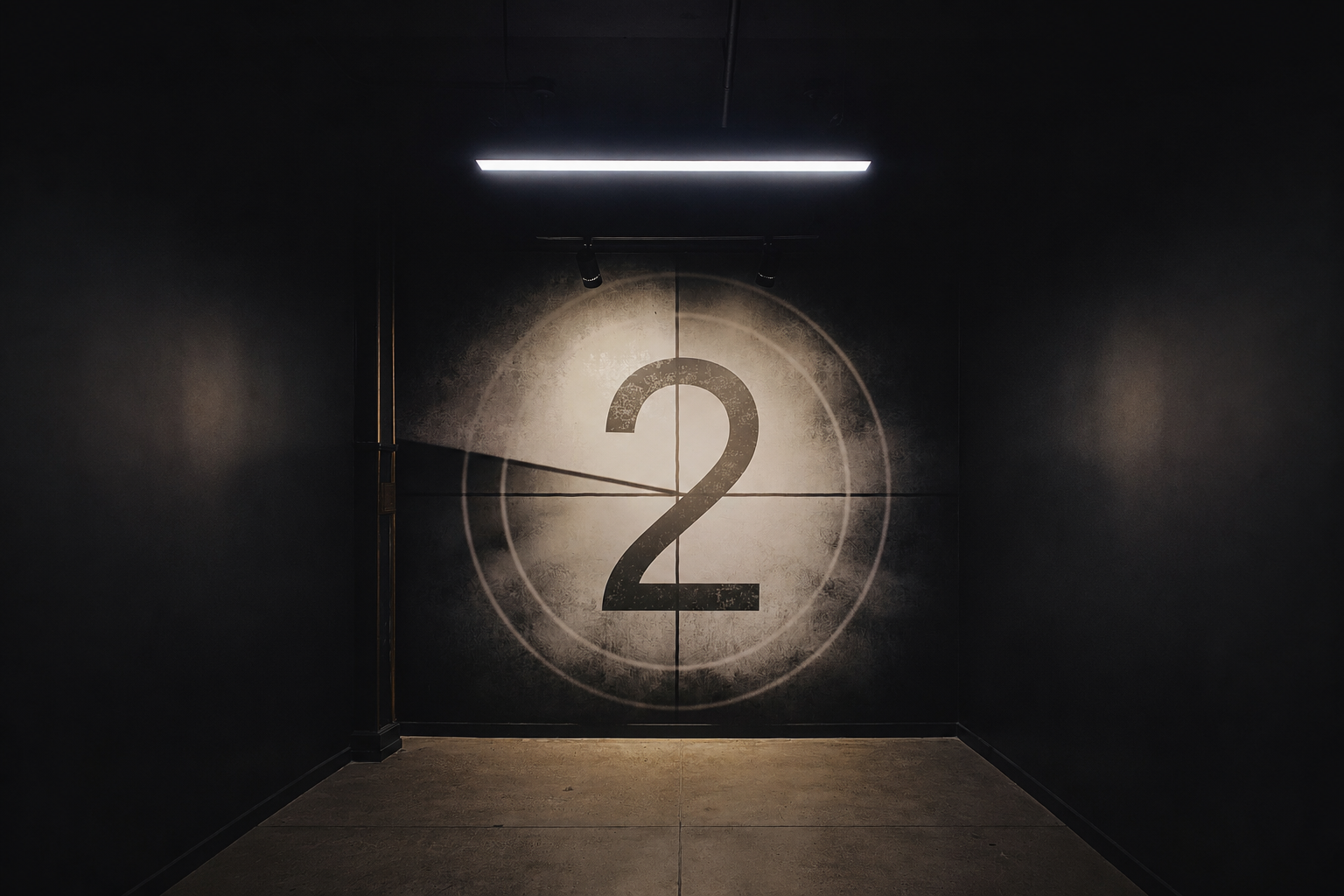
You’ve most likely heard it in some form or another: the tiny little beep before the start of a video production. The 2-pop is one of those post-production standard practices that is so simple, so old, and so deeply embedded in our workflows that it can be easy to forget just how important it is. It has survived the transition from film to tape to digital nonlinear editing and is still routinely exchanged between many of the post-production departments on any given project. But where did it come from, and why do we still use it?
Whether you're an avid viewer of Skybound Entertainment and Prime Video’s Invincible, or haven't watched a single episode, you may have heard recent buzz around one of the most brutal fight scenes of the series. "Give Us a Moment" aired a few months ago, and for days and weeks afterward I kept hearing from friends and even clients about how they couldn't shake the sights and sounds of the fight between Mark and Conquest. When I finally checked it out for myself, the gore exceeded my expectations.
If you've spent a Fourth of July in Los Angeles, you know the city transforms into one giant fireworks show. For sound designers, it's also one of the best opportunities of the year to capture unique explosions, whistles, crackles, and distant booms for future projects. In this post we’ll take a listen to the ambience recordings I captured and how to process them to make them library-ready.
As sound editors, we have our own vocabulary for describing the characteristics of the sounds we use in our work. We have our own terminology to describe pitch, timbre, frequency, weight, timing, and even emotion… Sometimes instead of using vocabulary we just replicate the sounds with our mouths… but when we’re discussing our sounds with other collaborators with different backgrounds we may need to reframe how we describe our sounds. As a fun exercise, I started exploring classic musical terms like legato, staccato, and crescendo through the lens of sound effects. In this exercise I researched the terminology and brainstormed sound effects that represent the terms. This exercise was a fun way to expand my musical vocabulary to better communicate sound with collaborators!
Fair warning, I don’t want this post to come across as just another mixer rant… and I’ll do my best to keep things civil. I’ve been keeping track of a few bad habits I see in editorial that drive me a bit batty on the mix stage. So in an effort to “being the change I want to see in the world, I’m going to share them with you. Hopefully this will result in less of these nits to pick going forward and, as a bonus, its free therapy for me!
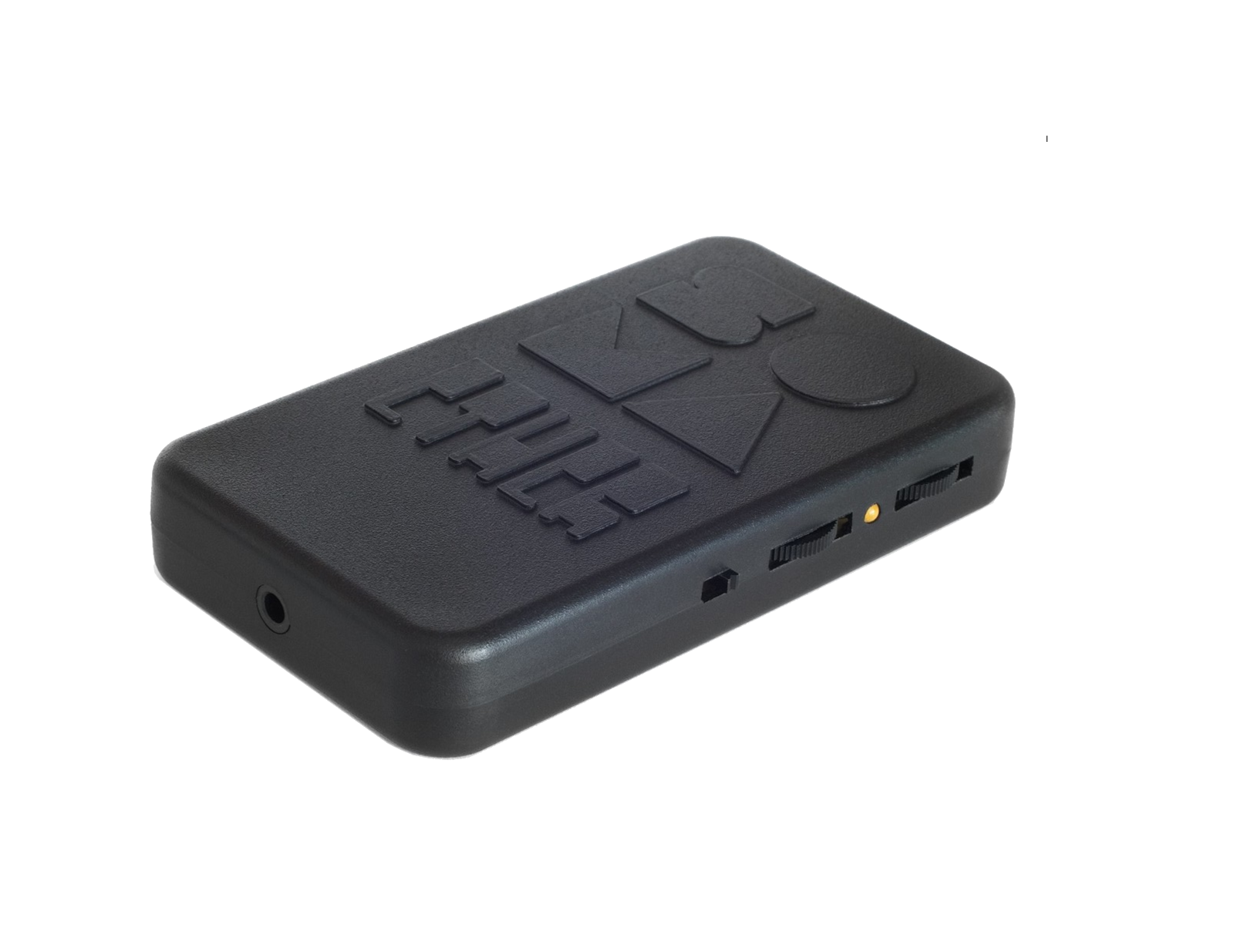
ETHER is an electromagnetic field receiver — essentially a wide-band “anti-radio.” Rather than tuning to one radio station or frequency, it captures a huge swath of the electromagnetic spectrum (from very low to very high frequencies) all at once.
Essentially, you turn Ether on, wave it around, and it picks up all of the sound we can’t hear with the naked ear - WiFi Signals, radio transmissions, power lines, lighting. It brings magnetic fields and radio waves to light. WILD!
In this edition of Inside Sound Design, we spoke with Supervising Sound Editor, Brad Meyer about a recent recording session for creature vocals. Hear how he approached the recording and post-processing to design a "monster hellscape."
So you’ve just recorded the coolest sound out in the field, but it’s buried underneath environmental sounds like distant cars, planes, humans, birds, insects etc… How do we isolate these sounds and minimize that background noise? This is NOT another Izotope RX post. Instead we’re going to talk about a common yet sometimes forgotten audio processor that can help reduce your noise floor and make these recordings more usable.
The 73rd MPSE Golden Reel Awards ceremony is quickly approaching! On March 8th we’ll be gathering with friends and familiar faces to celebrate the work of the most talented in our industry. We’re beyond excited and feeling so honored to have received three nominations this year! In this post we dive into the sound behind our nominated series, hearing directly from the supervising sound editors. Enjoy!
With the competition being stacked this year, we couldn’t be more proud of our team for being nominated for Outstanding Sound Editing and Mixing for an Animated Program for Max & The Midknights!
We hope you all had a wonderful winter holiday break and New Years celebration! As those of you Angelenos already know, we experienced an uncharacteristically long rainy stretch to bring in our New Year here in California. As ready as I am to be on the other side of this rain, it does provide a great opportunity to pull out the field recording gear and add some new rain recordings to my personal library. As I was cleaning up my recordings, I felt compelled to start putting them into context with other layers which progressed into experimenting with some simple but effective rain designs. This blog post will share what I learned in the process!
These past few weeks, I must shamefully admit that I’ve been binging seasons of crappy reality TV…Ink Master in particular. There’s a particular sound the editors use in this show that is impossible to go unnoticed. Even if you’ve never seen a single episode of reality TV, chances are you’ve still heard this sound somewhere. It’s of the dramatic, screeching, tension-building stinger variety, commonly found in the horror/thriller genre.
You’d be surprised just how “quiet” raw gunshot recordings can sound without any processing. When played back dry, the recordings sound like weak little pops, lacking detail and punch. But with some basic processing, we can turn those thin pops into powerful, rich, cinema-ready gunshot sound effects.
As sound editors, it's crucial that we approach our edits with the mixer's needs in mind. In previous posts we’ve covered how to deliver clean, organized edits to help streamline the mixing stage. But what about processing to remove additional steps for our mixer? In this post, I’ll share simple but effective techniques to tidy up your sound editorial without causing a headache for the mixer down the line.
With a seemingly limitless number of plugins at our fingertips today, it's easy for the most rudimentary tools to go under appreciated. Among the Avid stock plugins, one of THE most frequently used, yet lesser discussed is the 'Reverse' AudioSuite. This tool is as simple as they come, but what it lacks in bells and whistles it makes up for in creative potential. Today I thought I'd discuss a few ways I like to use it and demonstrate with examples.
Awards season is here and we are SO honored to have been nominated for three Children’s and Family Emmy Awards for our sound work. We spoke with our talented team to get an inside look at the sound work for our nominees.
Growing up in the Midwest, it seemed like everyone had a basement (not a thing here in LA). A basement is a bonus space the size of your entire floor plan. For adults, this means lots of storage (functional but boring); for kids, a giant playroom! When I was young, my dad bought two used pinball machines from a friend and plunked them down in our basement. These were mid-70’s era classics with all the (literal) bells and whistles. At any time of day you could hear these very specific sounds emanating from our basement, working their way into the consciousness of one young sound designer in the making (me).
Needless to say, these two pinball machines became family treasures. So when it came time for my parents to downsize their house (no room for pinball), I just couldn’t resist keeping one for myself and my family.
It’s been some time since we’ve discussed the art of designing backgrounds here on the blog. Although backgrounds aren’t the sexiest food group in the sound editorial process, they’re absolutely crucial for providing the foundation of storytelling for every scene.
I was recently cutting sound effects on a scene for my apprenticeship project that included a slo-mo sequence. During the spotting session, my supervisor was discussing proven ways to get in and out of slo-mo sequences with different stingers and sub dives as the bread and butter. He referenced this specific sound effect to me and I thought it would be a fun idea to try my hand at recreating it.
By the beginning of this year, Boom Box Post had fully moved into our new facility with three Atmos mix stages, three 5.1 mix suites, eight sound design/editorial suites, and full client amenities. So, when Women’s Audio Mission reached out to revisit the idea of having an in-person workshop focused on sound for television and film that would meet the needs of their Los Angeles membership base, we had the perfect space to accommodate it.