WRITTEN BY KATE FINAN
CO-OWNER OF BOOM BOX POST
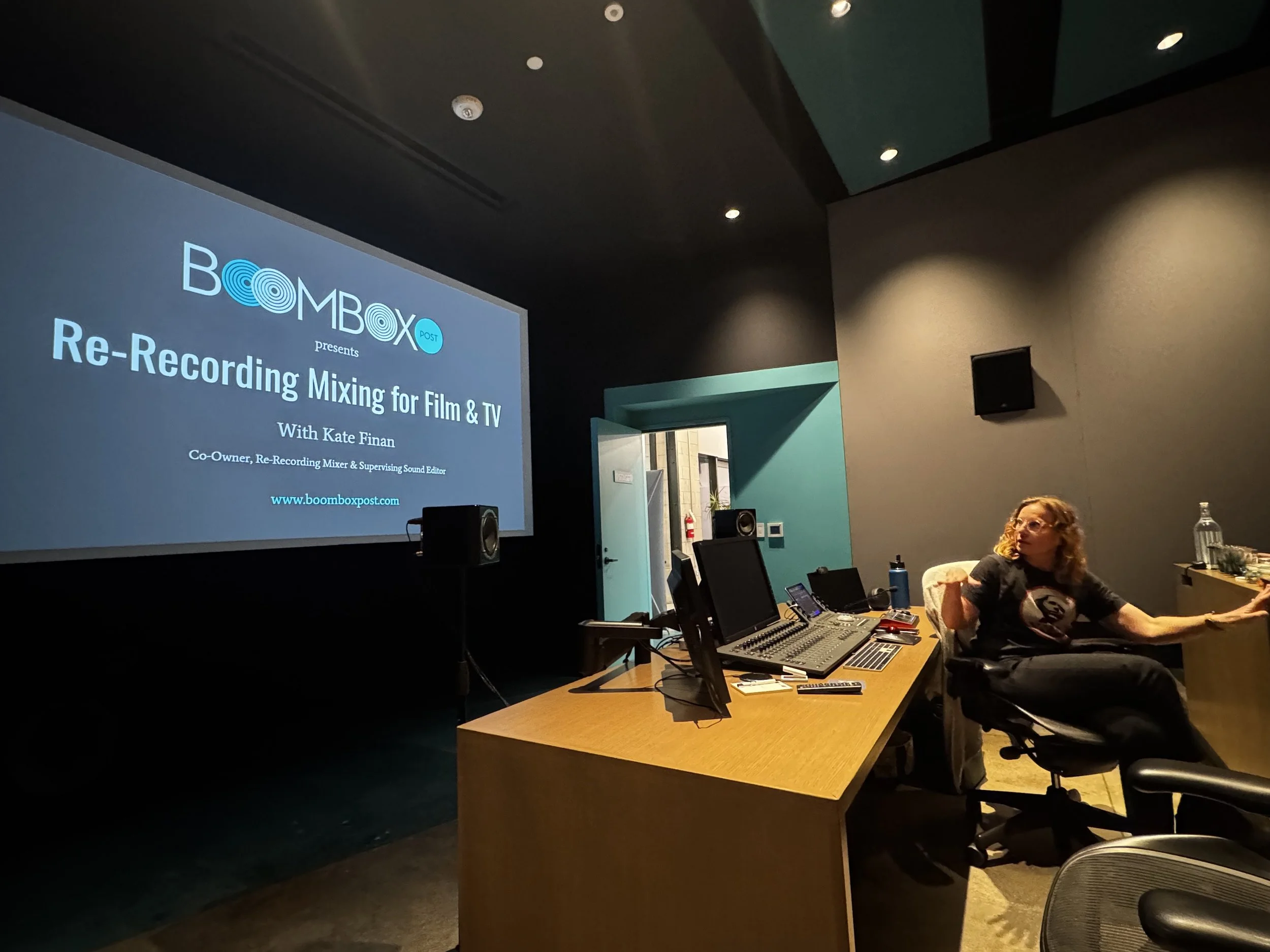
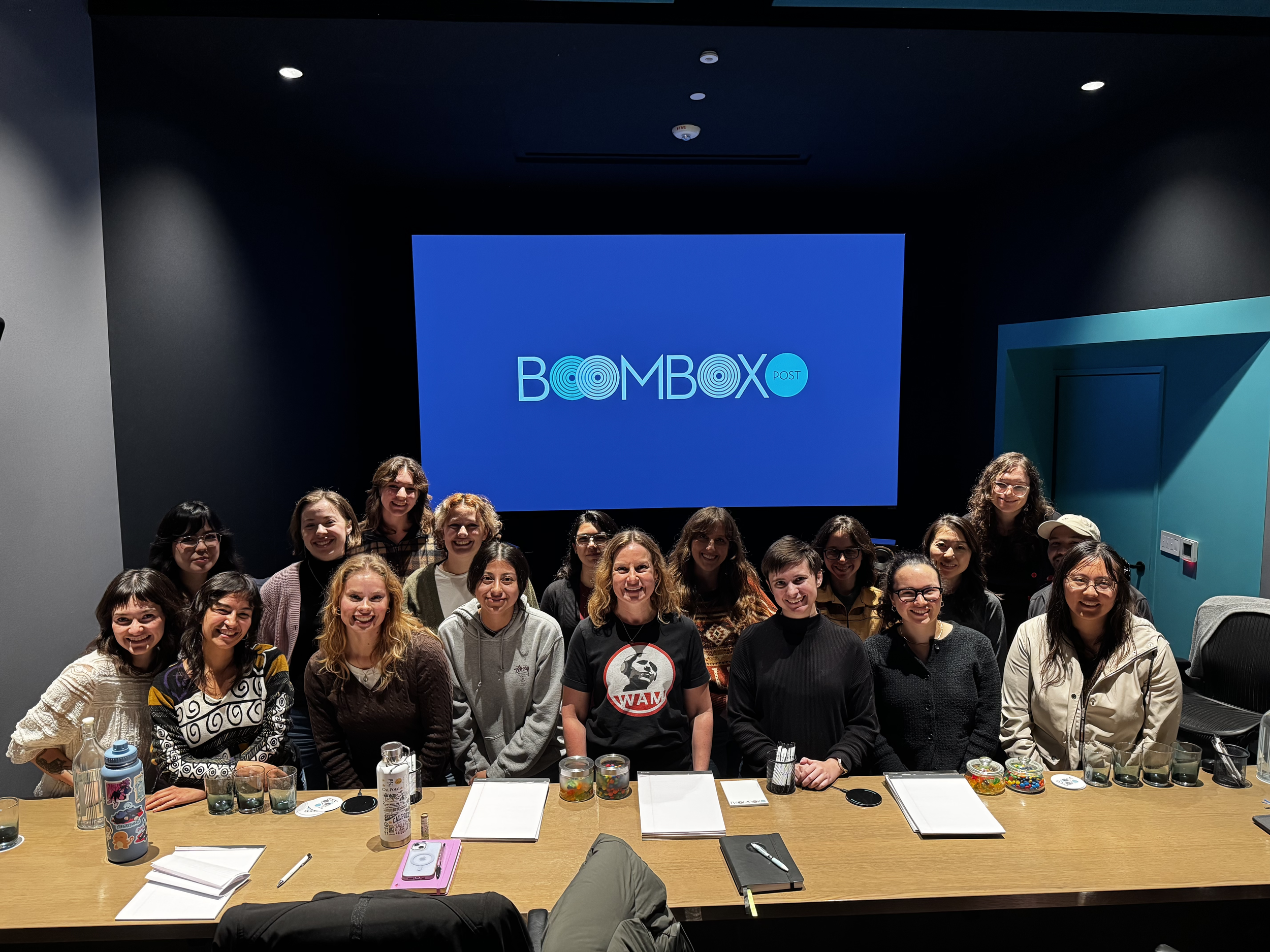
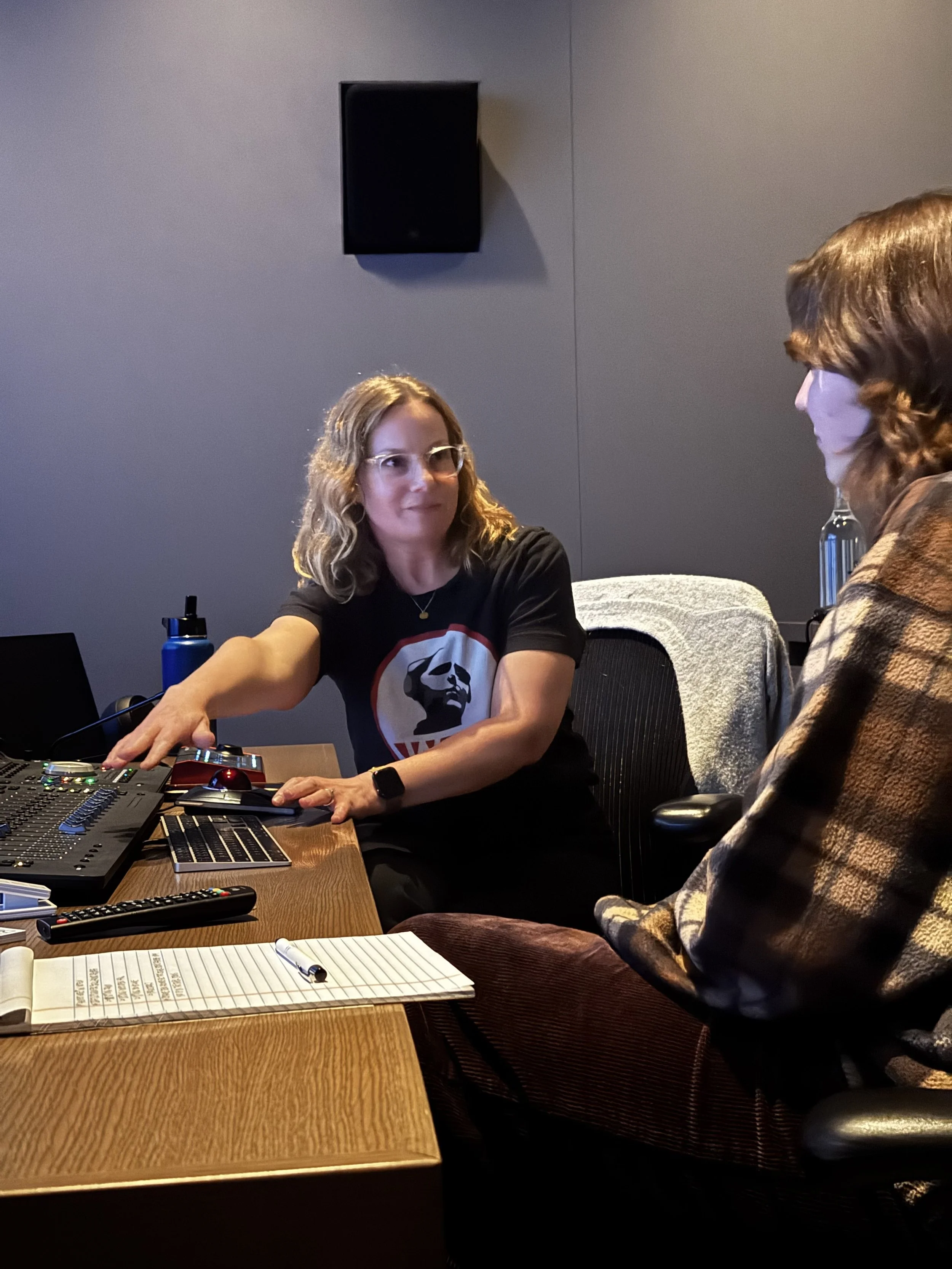
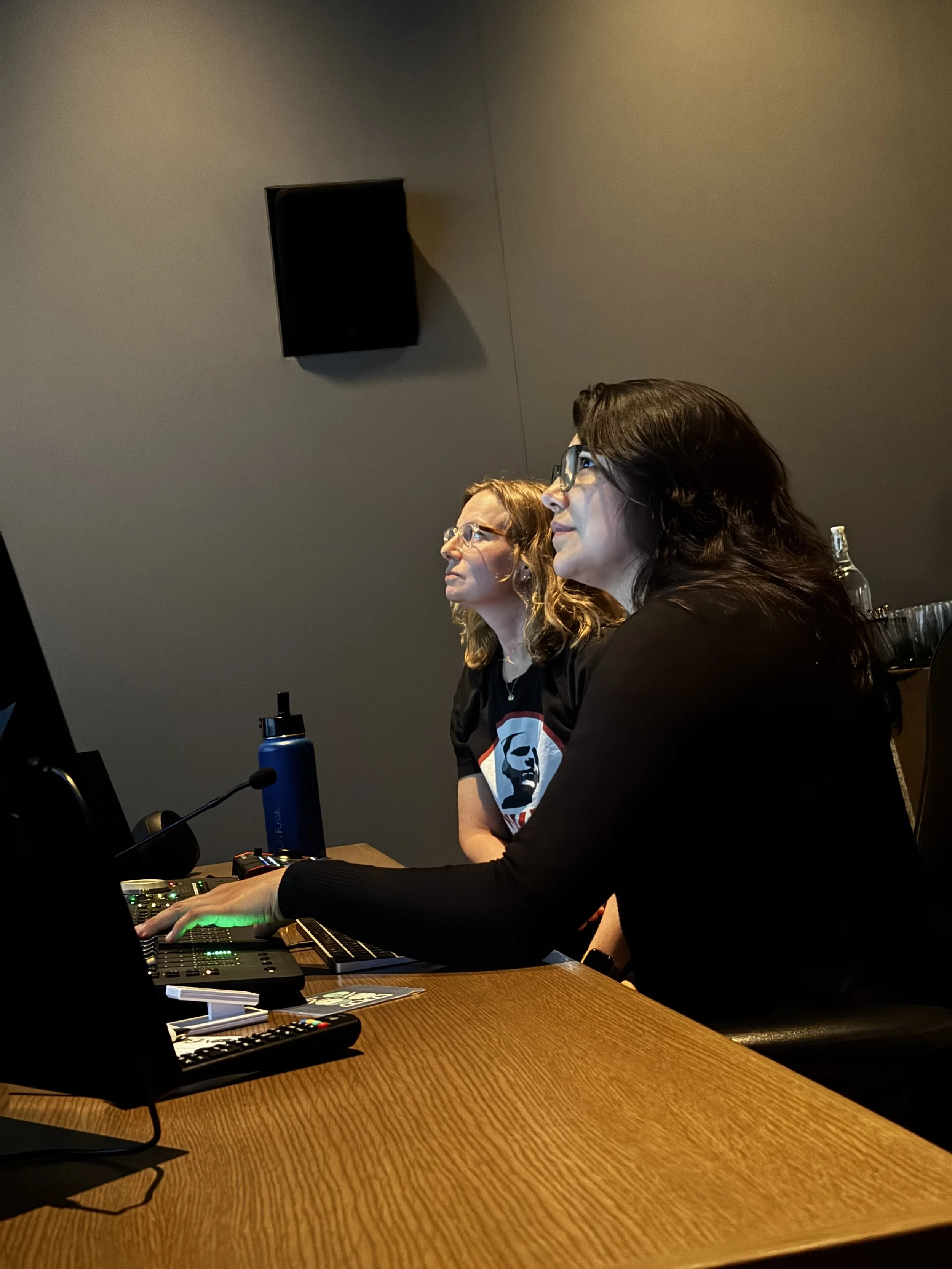
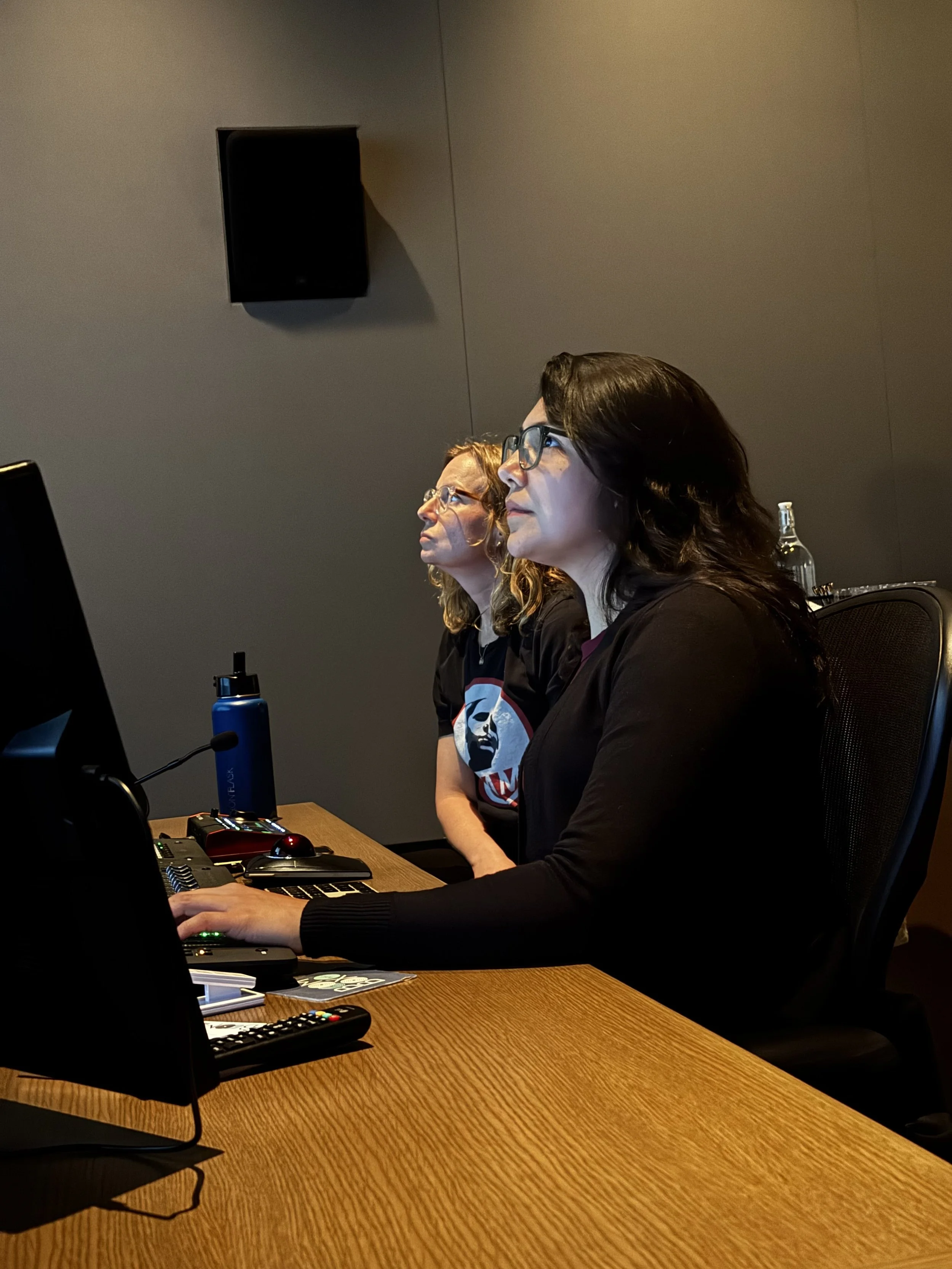
Near the end of last year, we once again hosted Women’s Audio Mission for a workshop, this time on Re-Recording Mixing for Film & TV. This in-depth post-production sound workshop covered the basics of the re-recording mixing process and also included an interactive mixing session where attendees had the opportunity to work at the console and in ProTools to mix in sound elements and experience the tools and process.
If you have not heard of the Women’s Audio Mission, they are an amazing non-profit organization whose purpose is “changing the face of sound by providing hands-on training, work experience, career counseling, and job placement to over 2,000 women/girls/gender-expansive individuals every year in creative technology for music, radio, film, television, and the internet.”
At Boom Box Post, we believe that diversity is a key ingredient in every workplace, but especially for those in creative industries like our own where each person brings their own experience, culture, and perspective to their creative process. We pride ourselves on maintaining a staff that reflects the varied mosaic of the real world and have maintained a 50% female and gender-expansive staff since first opening our doors.
Because our core values at Boom Box Post encompass creativity, collaboration, diversity, inclusivity, and education, our partnership with WAM over the years to provide high-quality hands-on workshops to their members has been an obvious extension of those values. We are happy to volunteer our time and our studio to help them to change the face of sound.
THE WORKSHOP
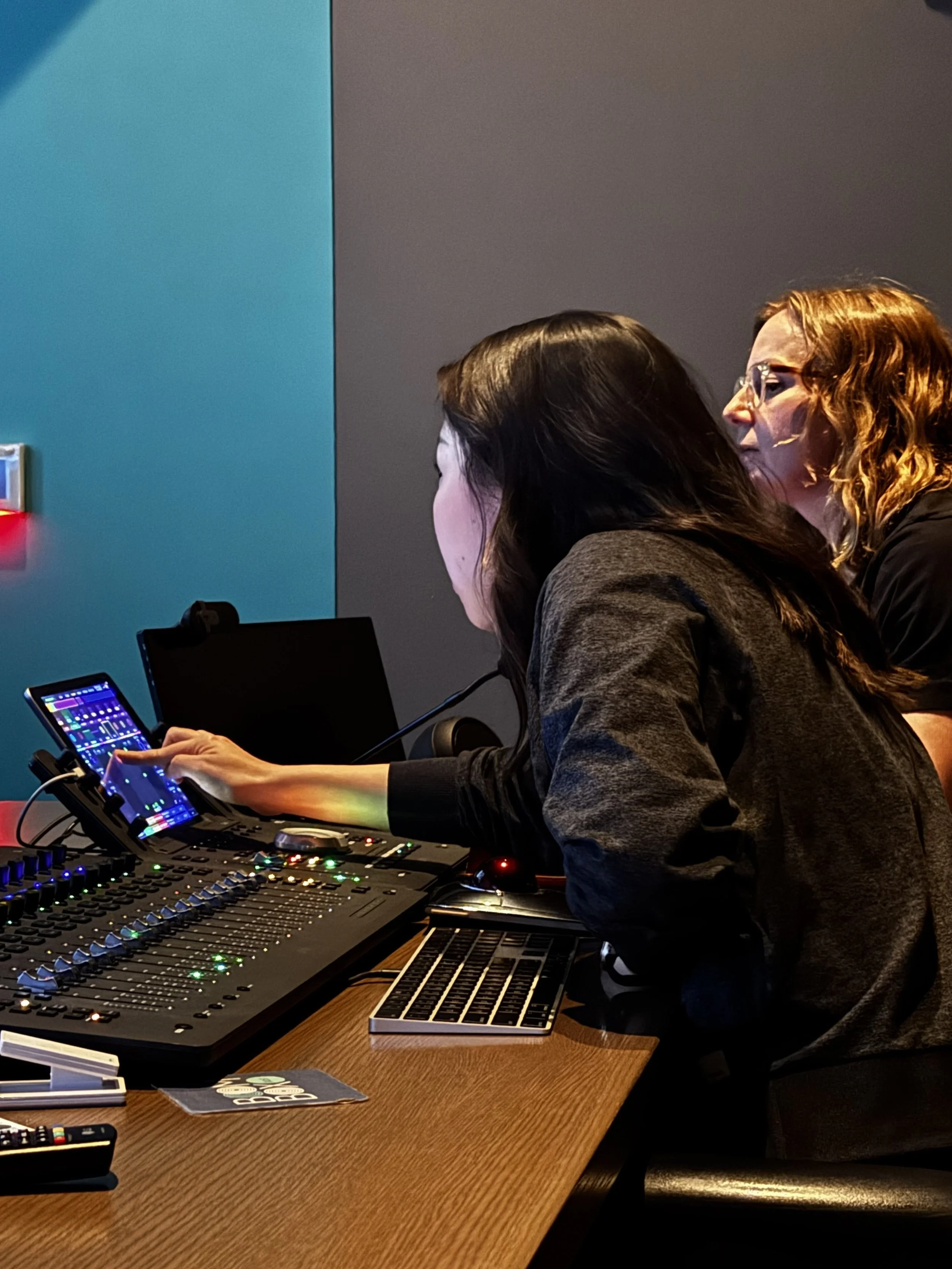
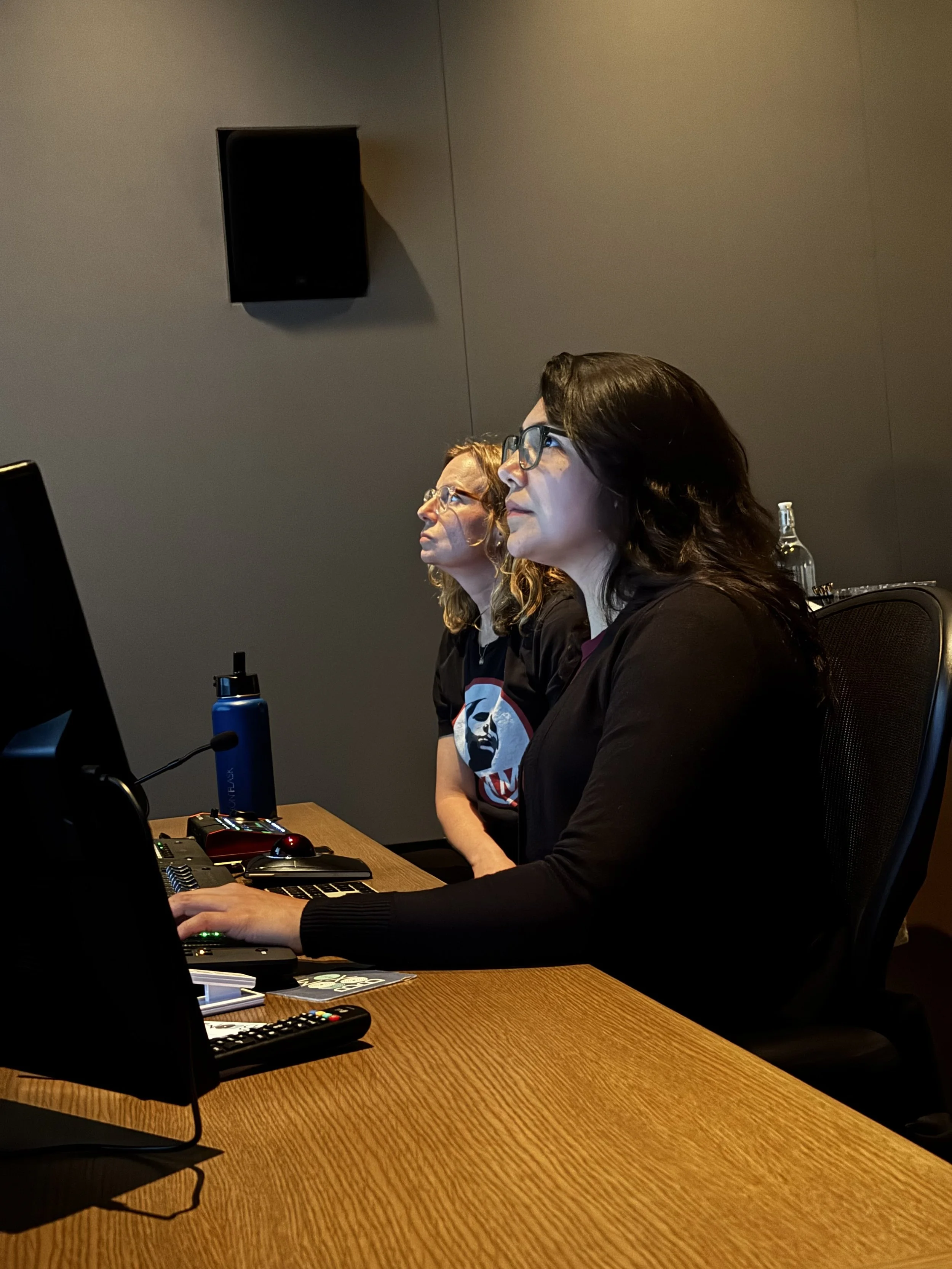
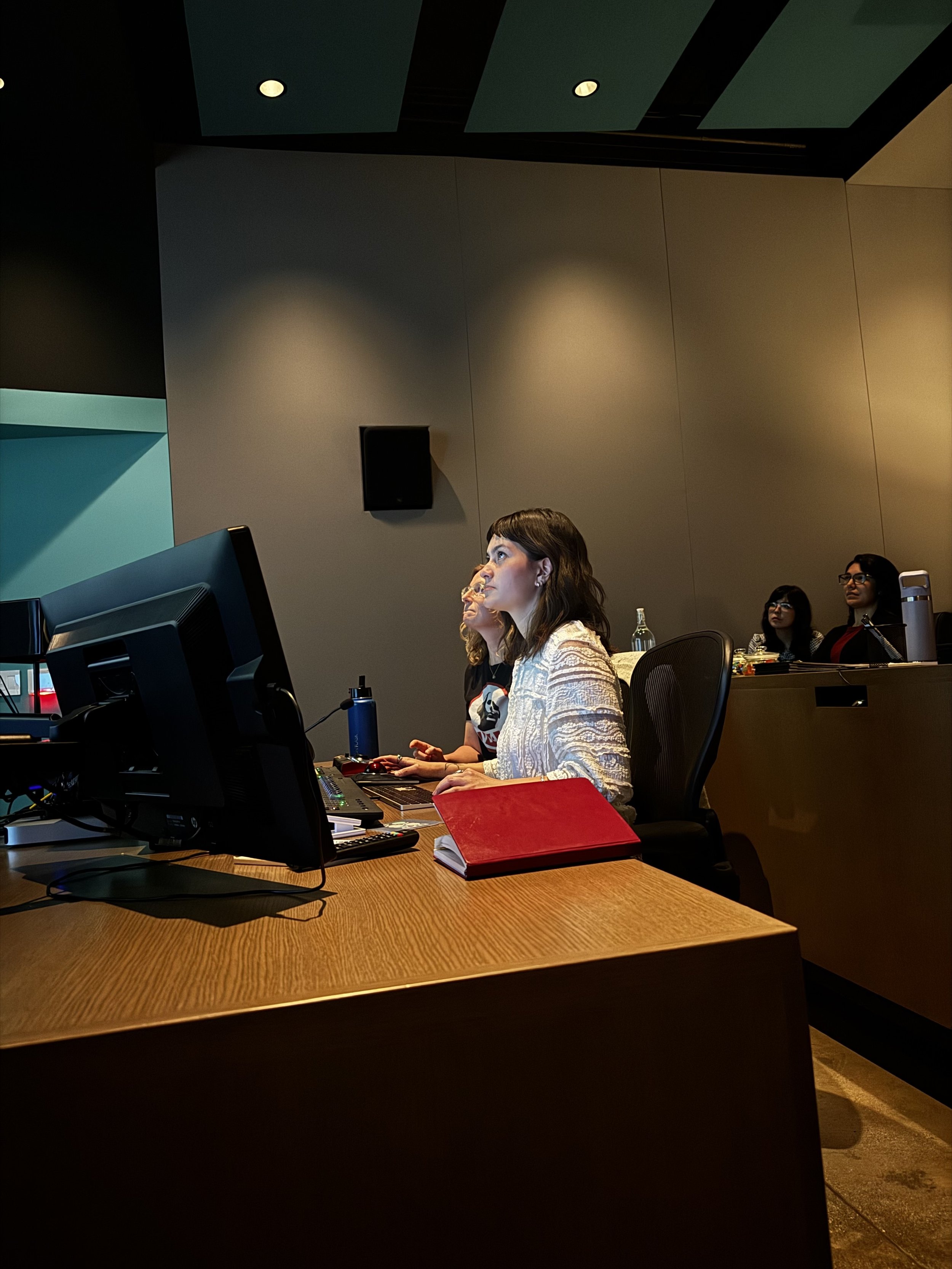
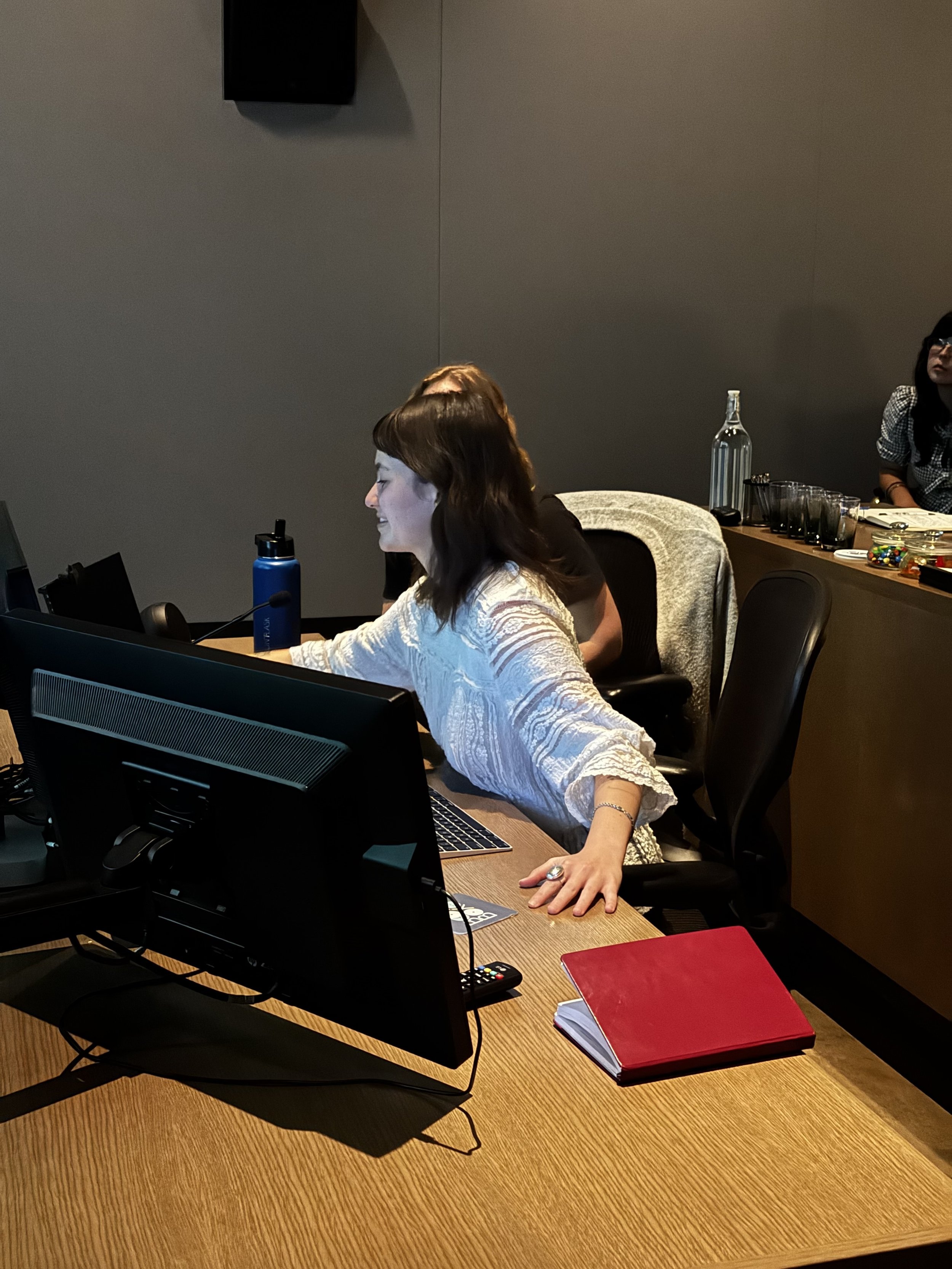
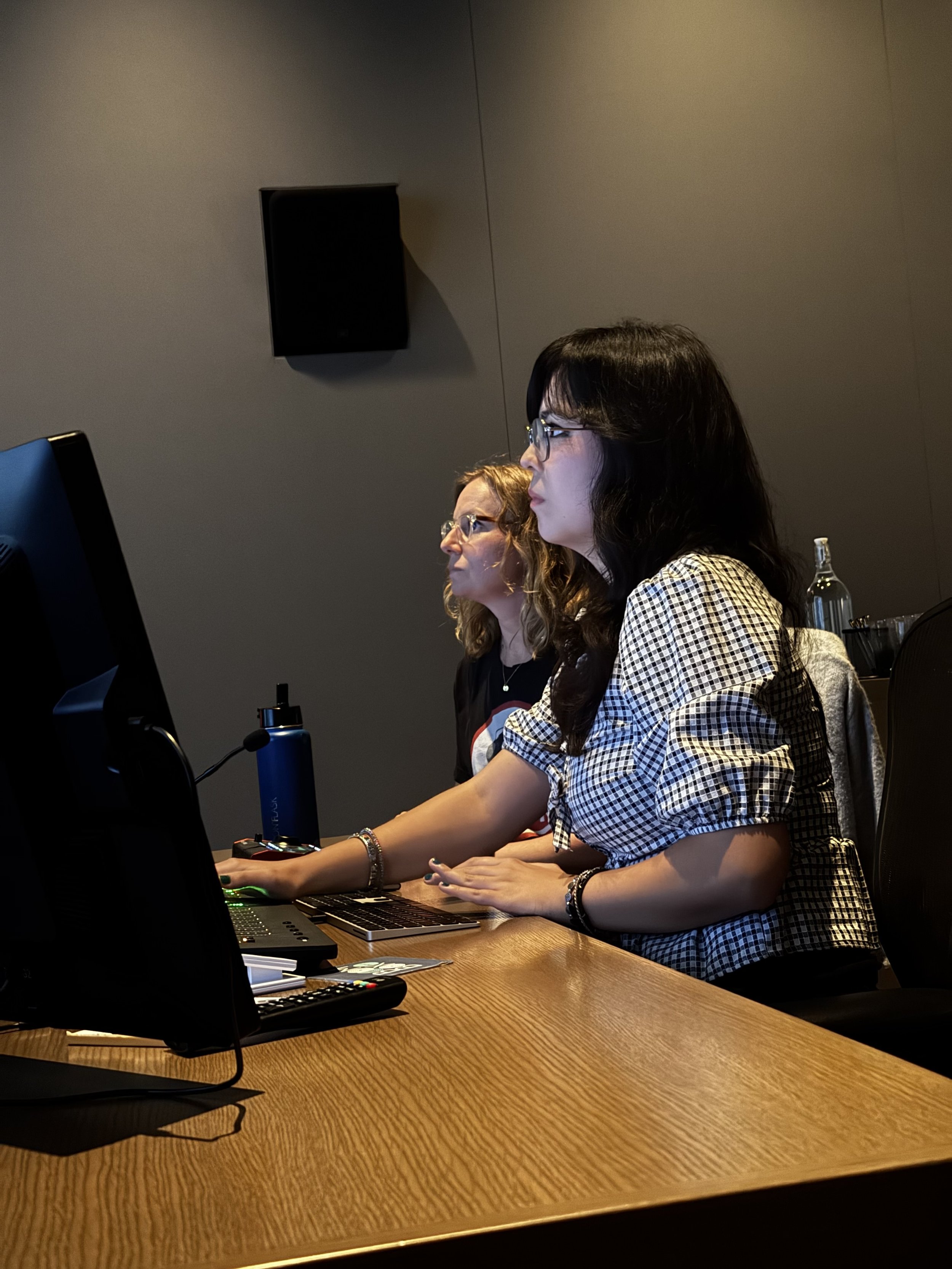
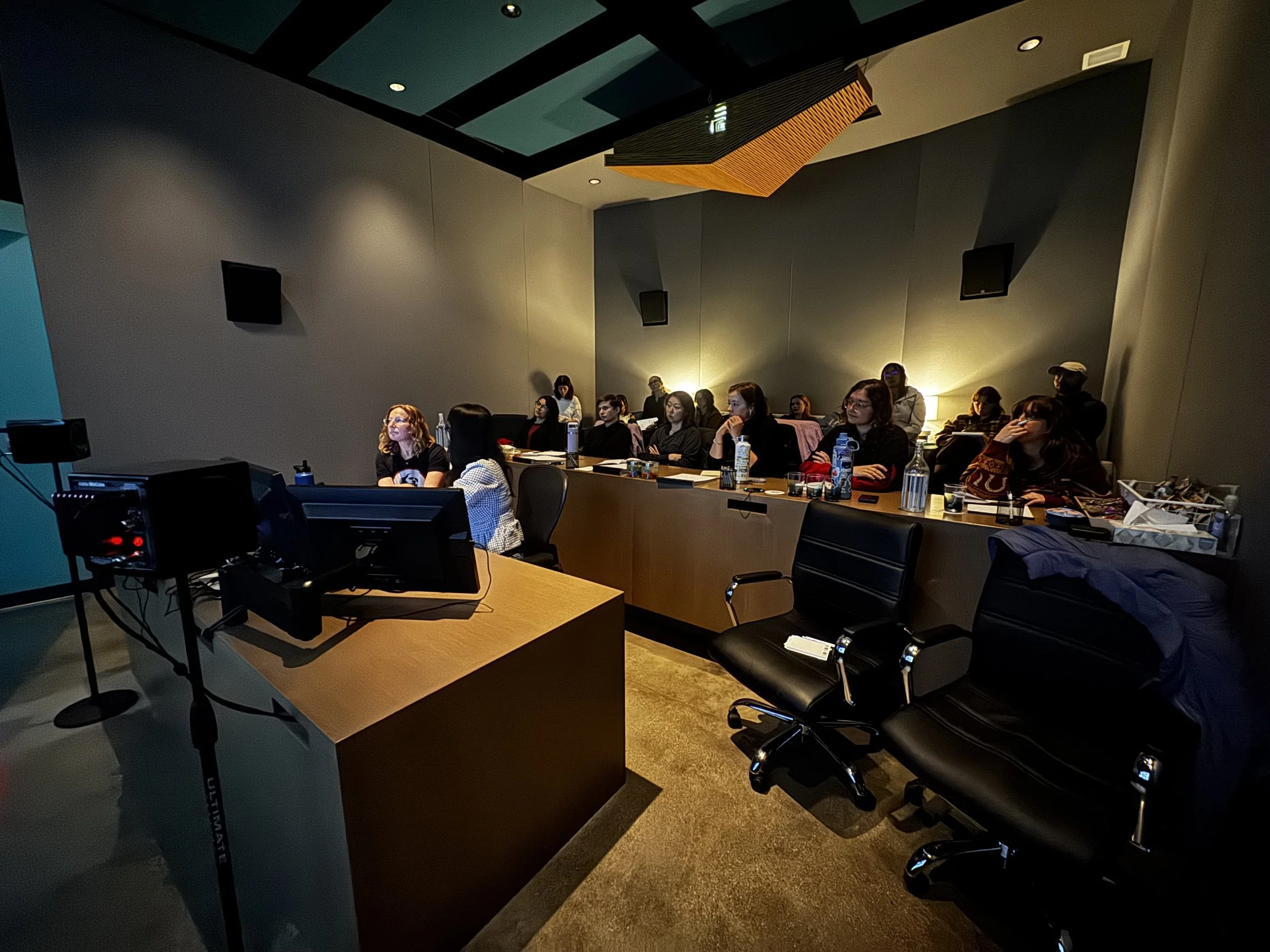
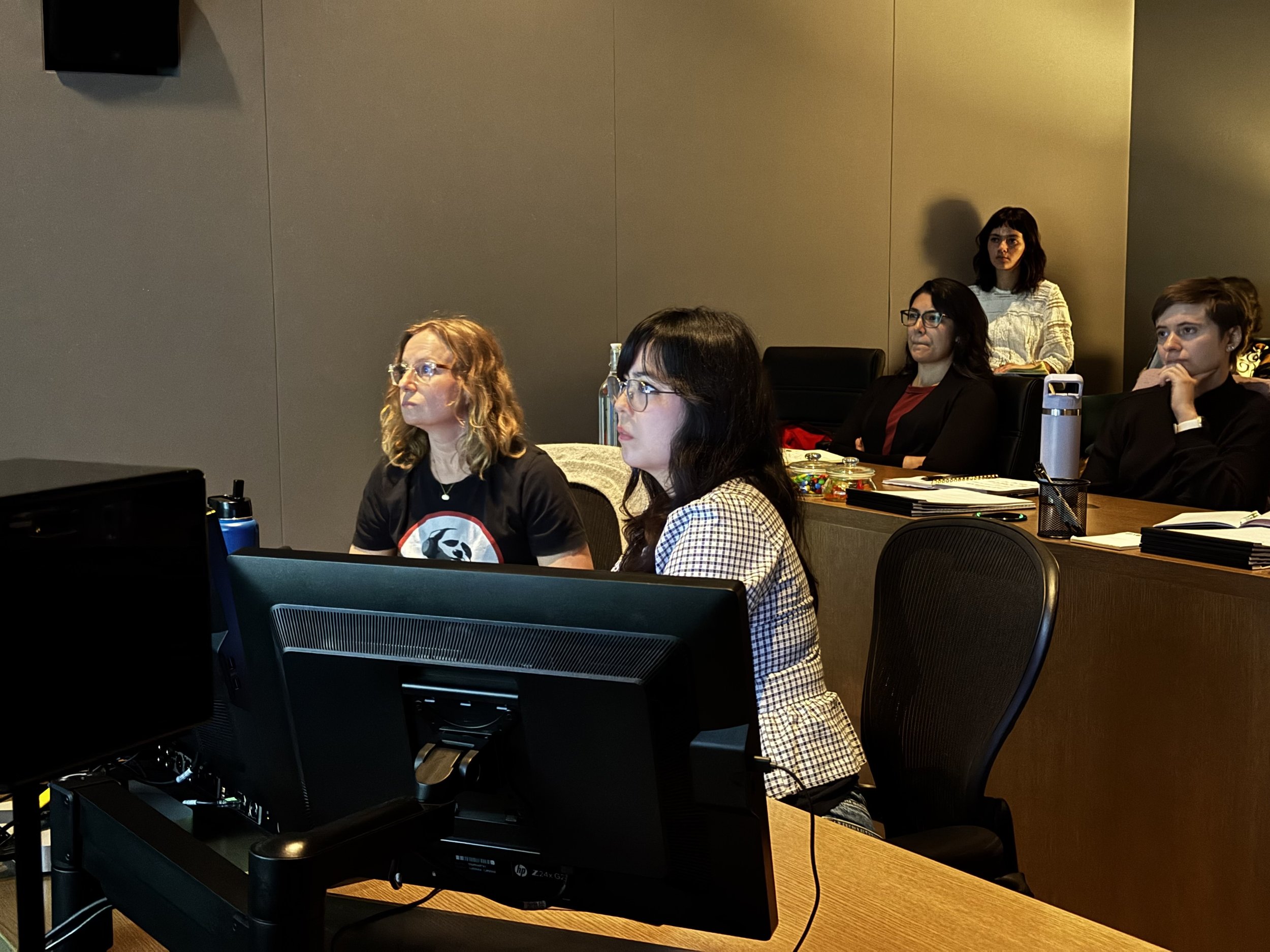
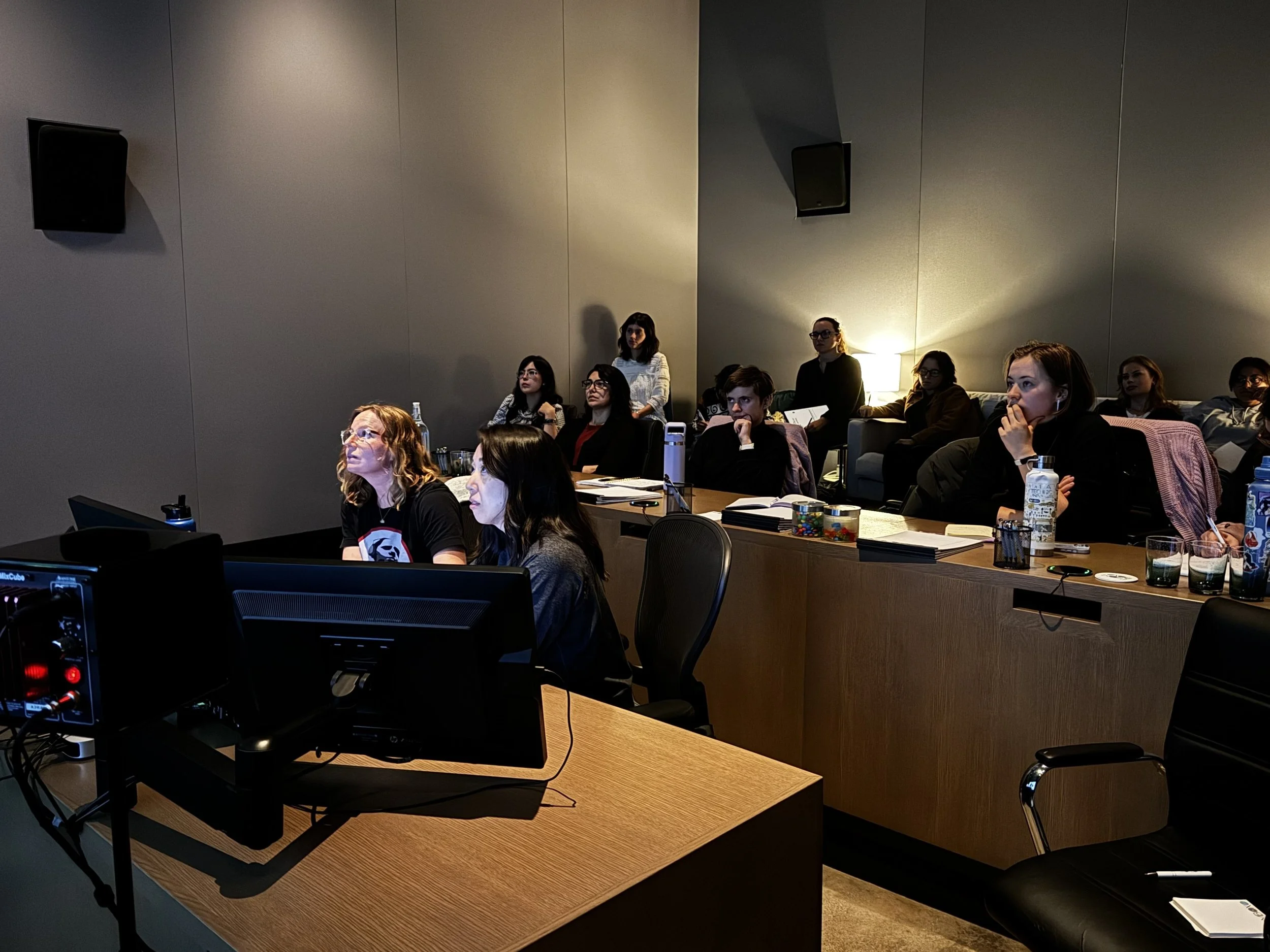
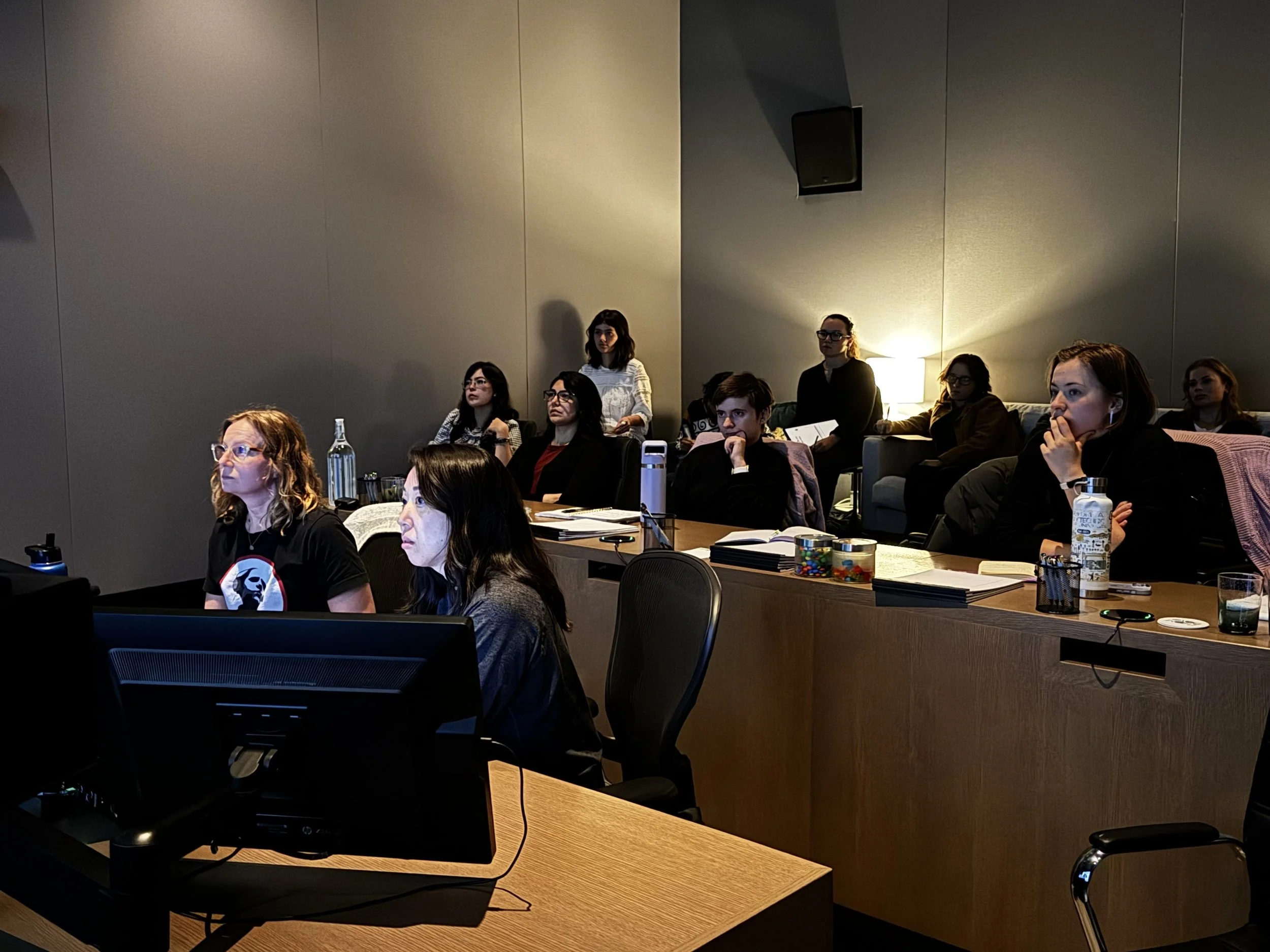
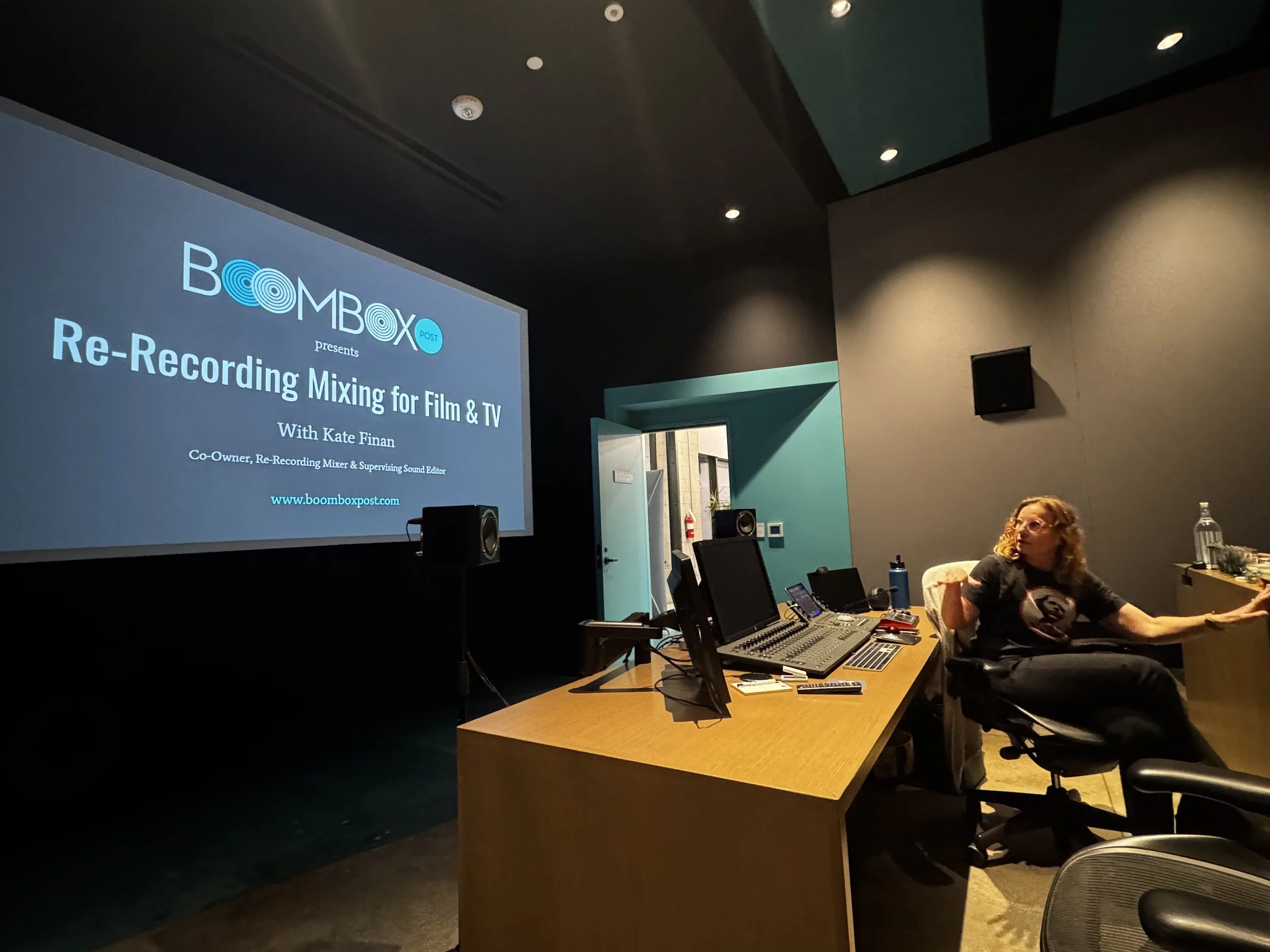
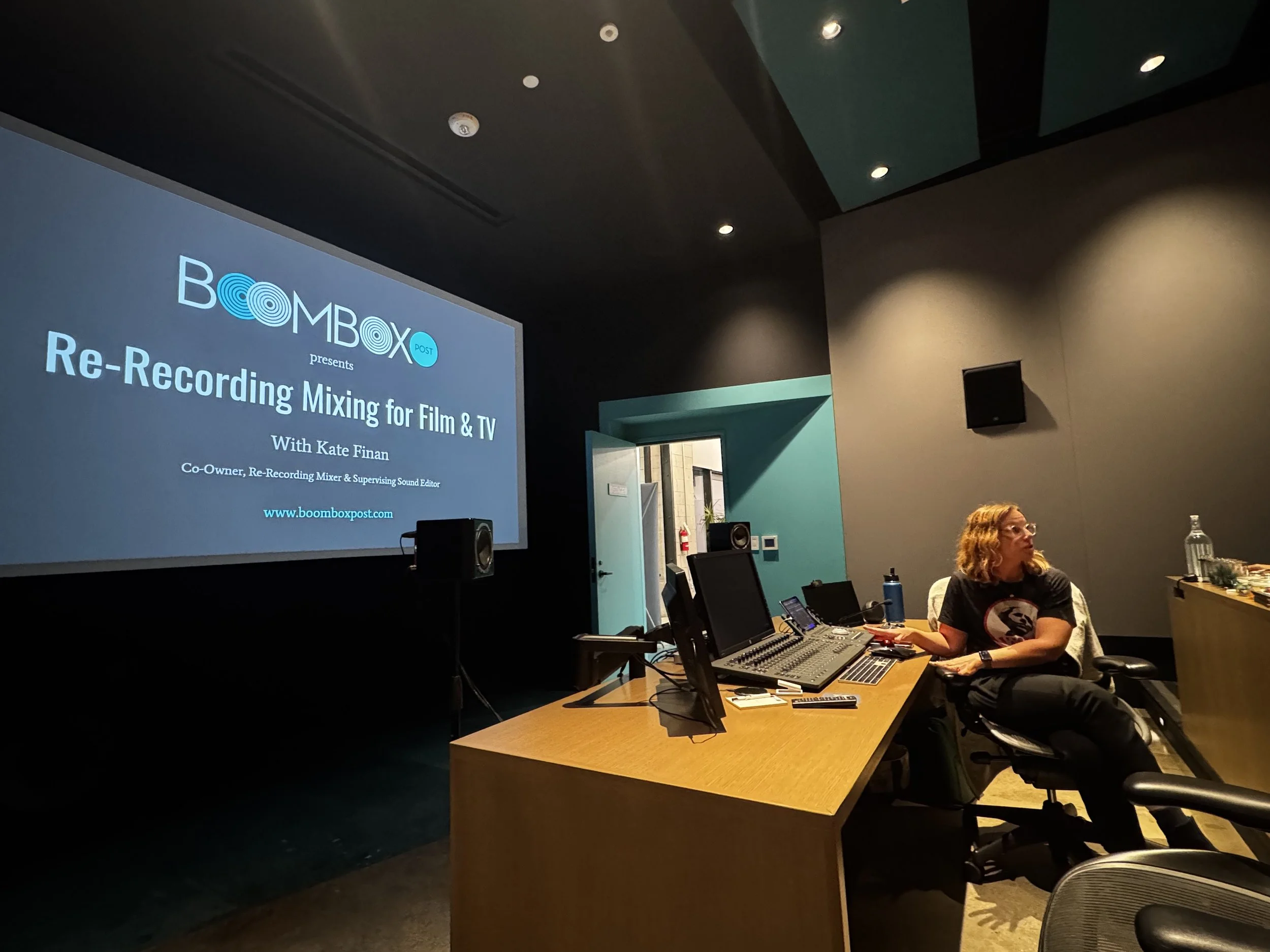
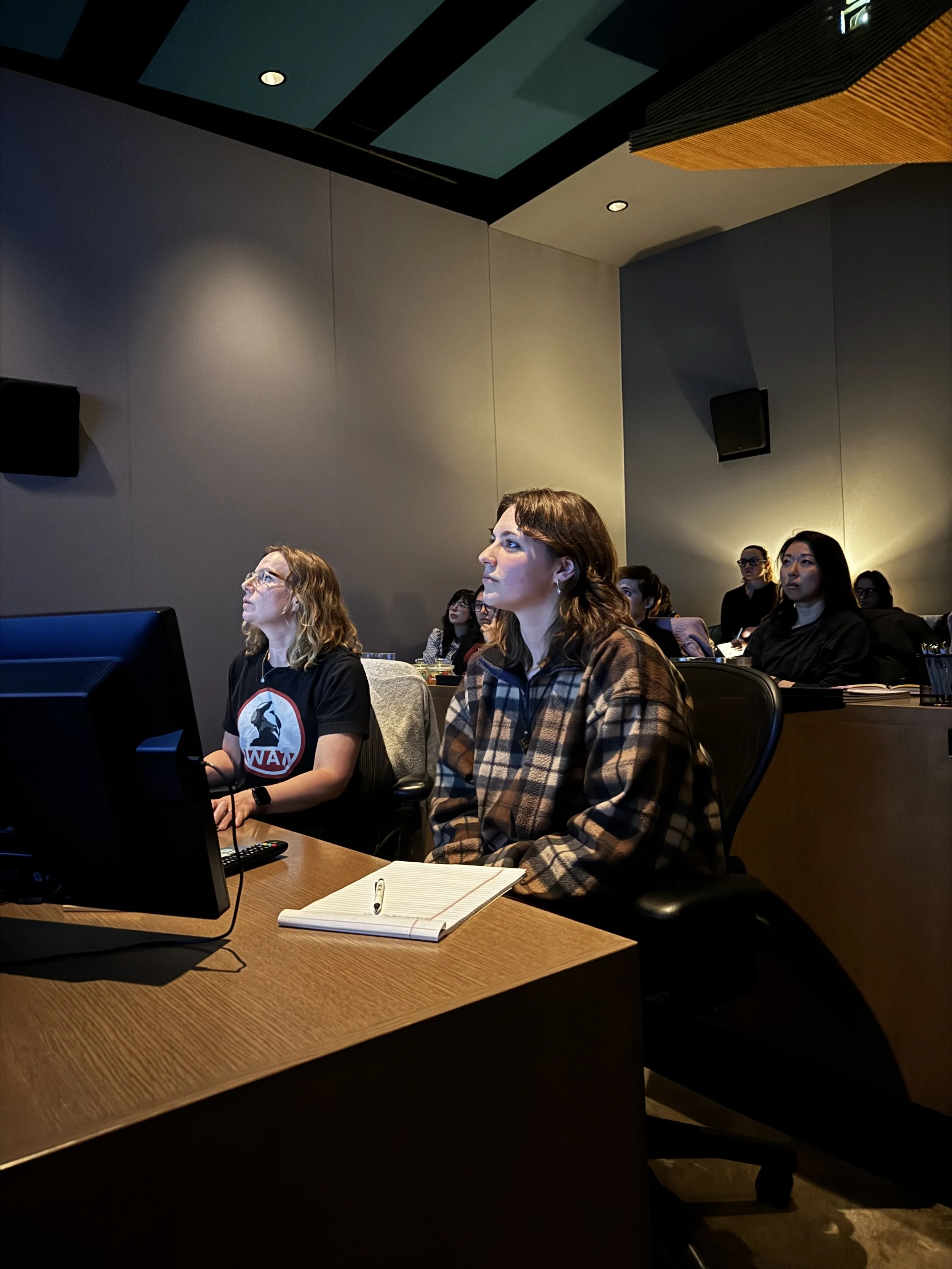
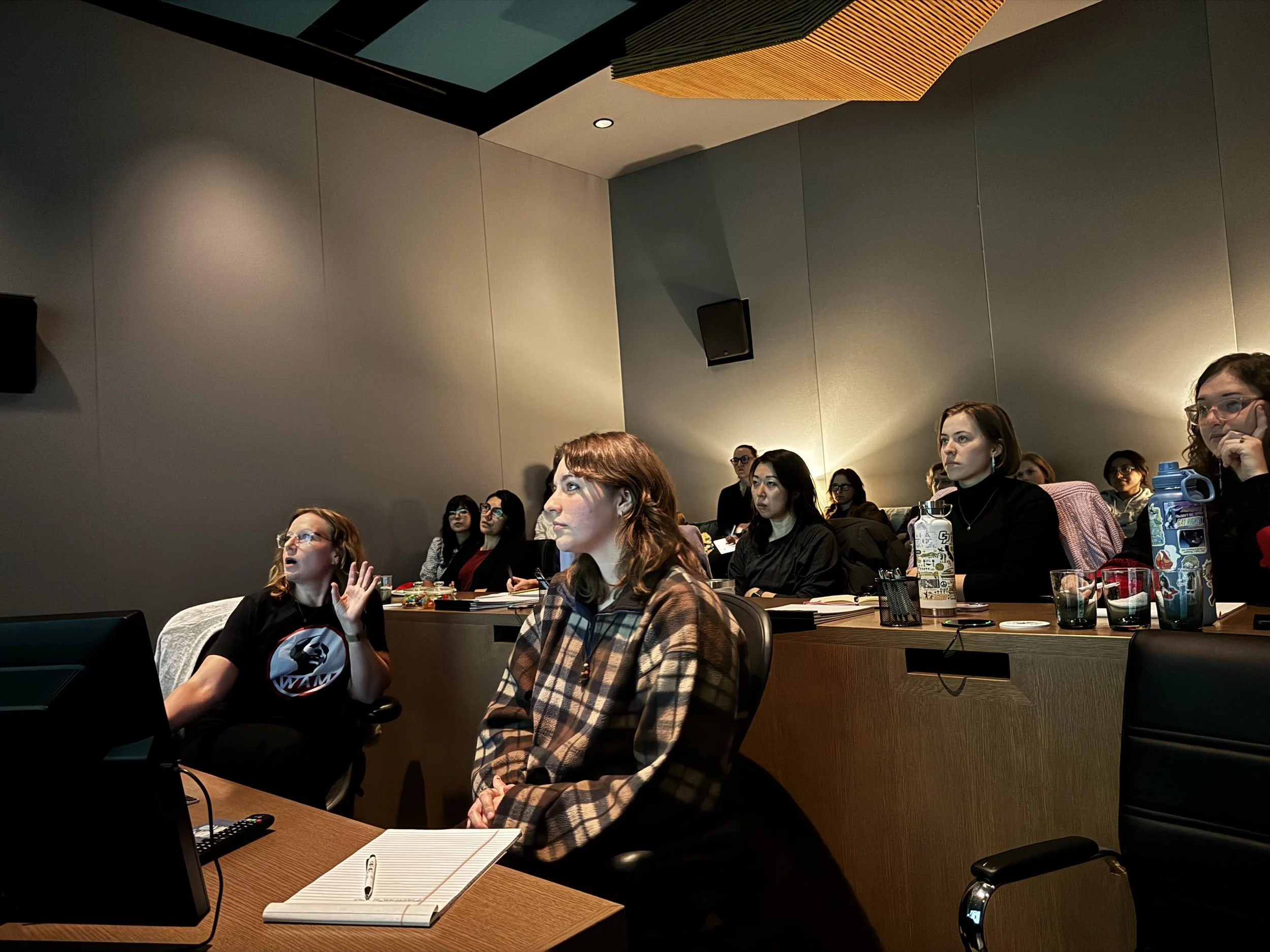
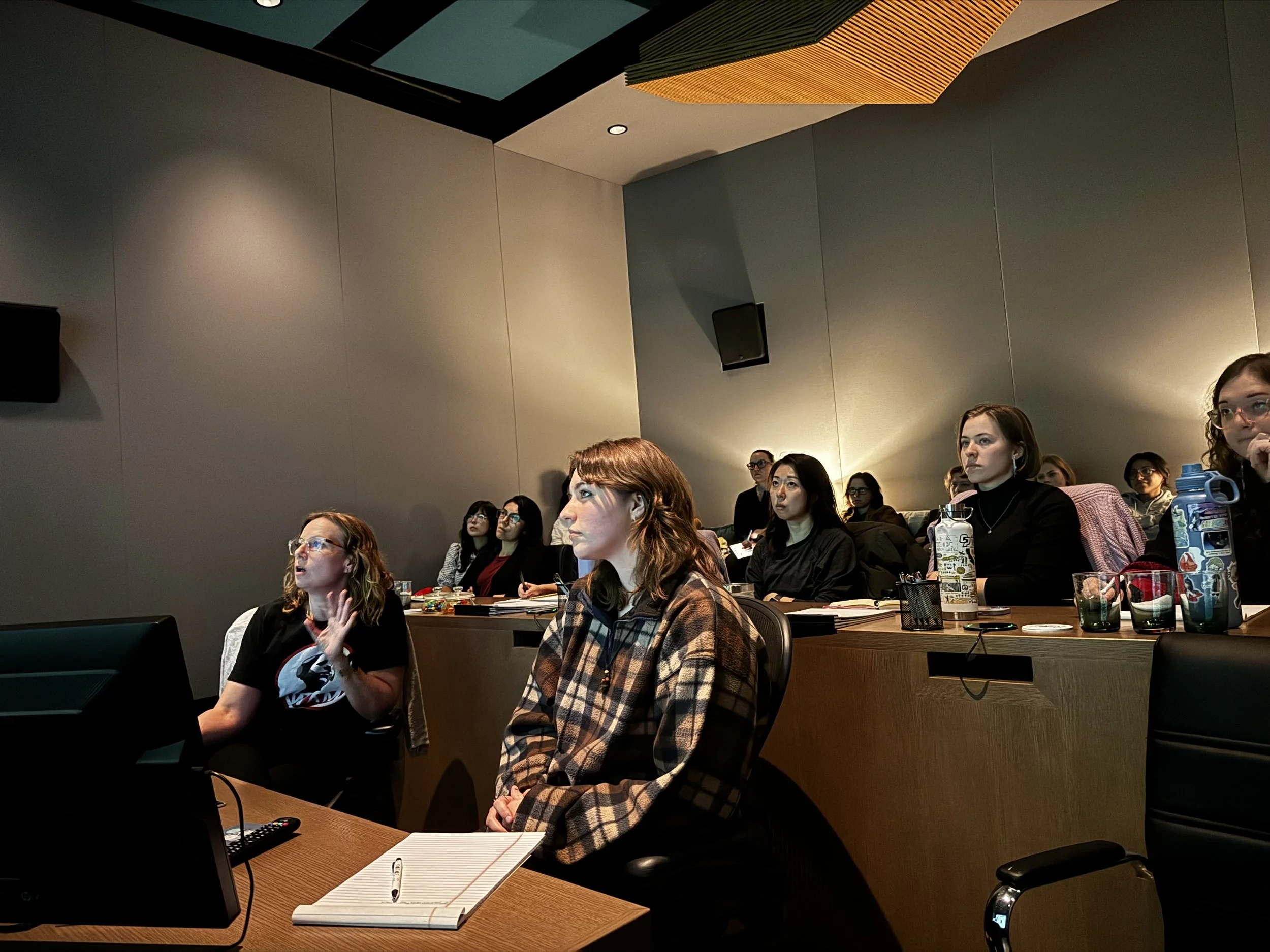
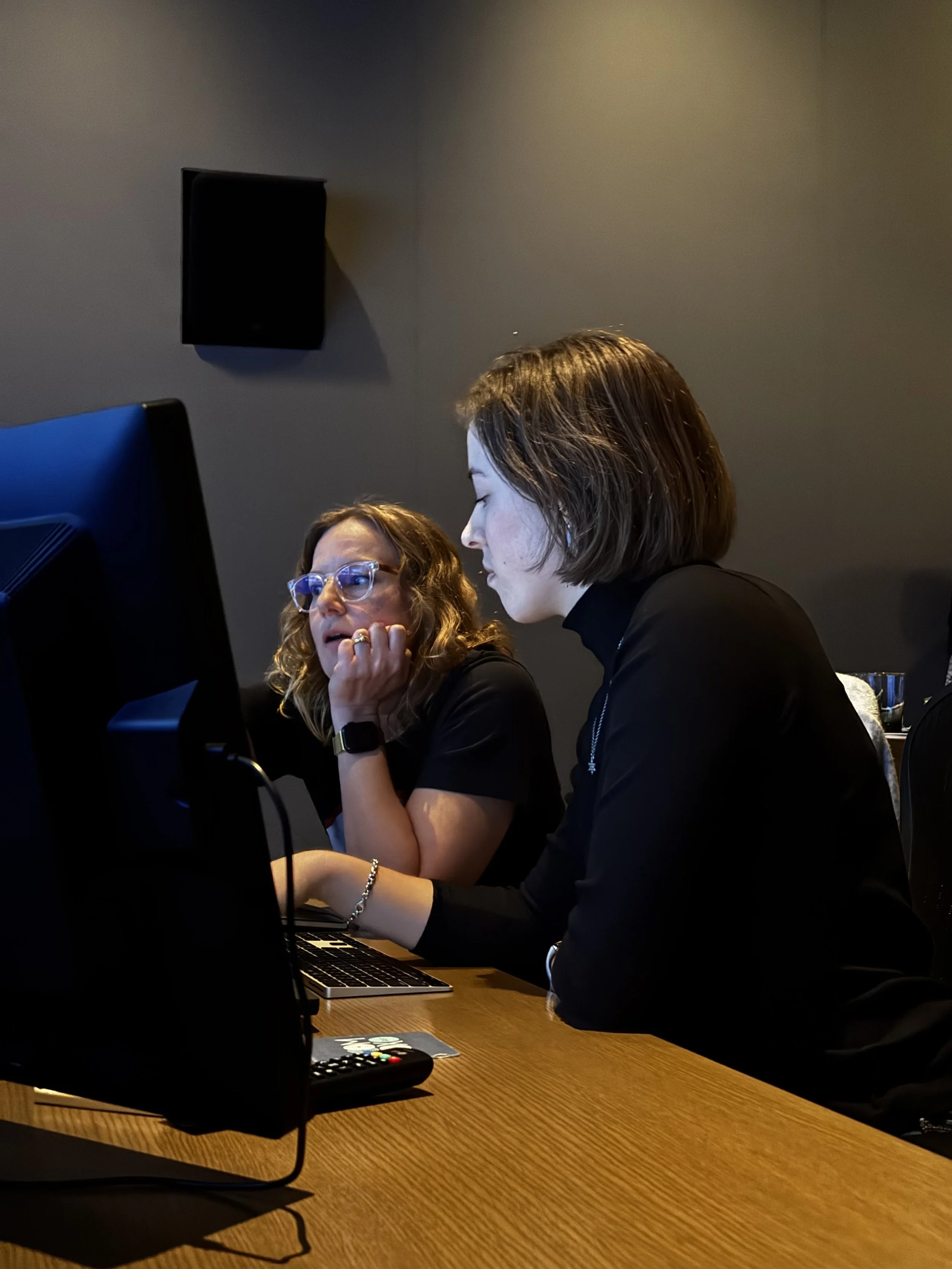
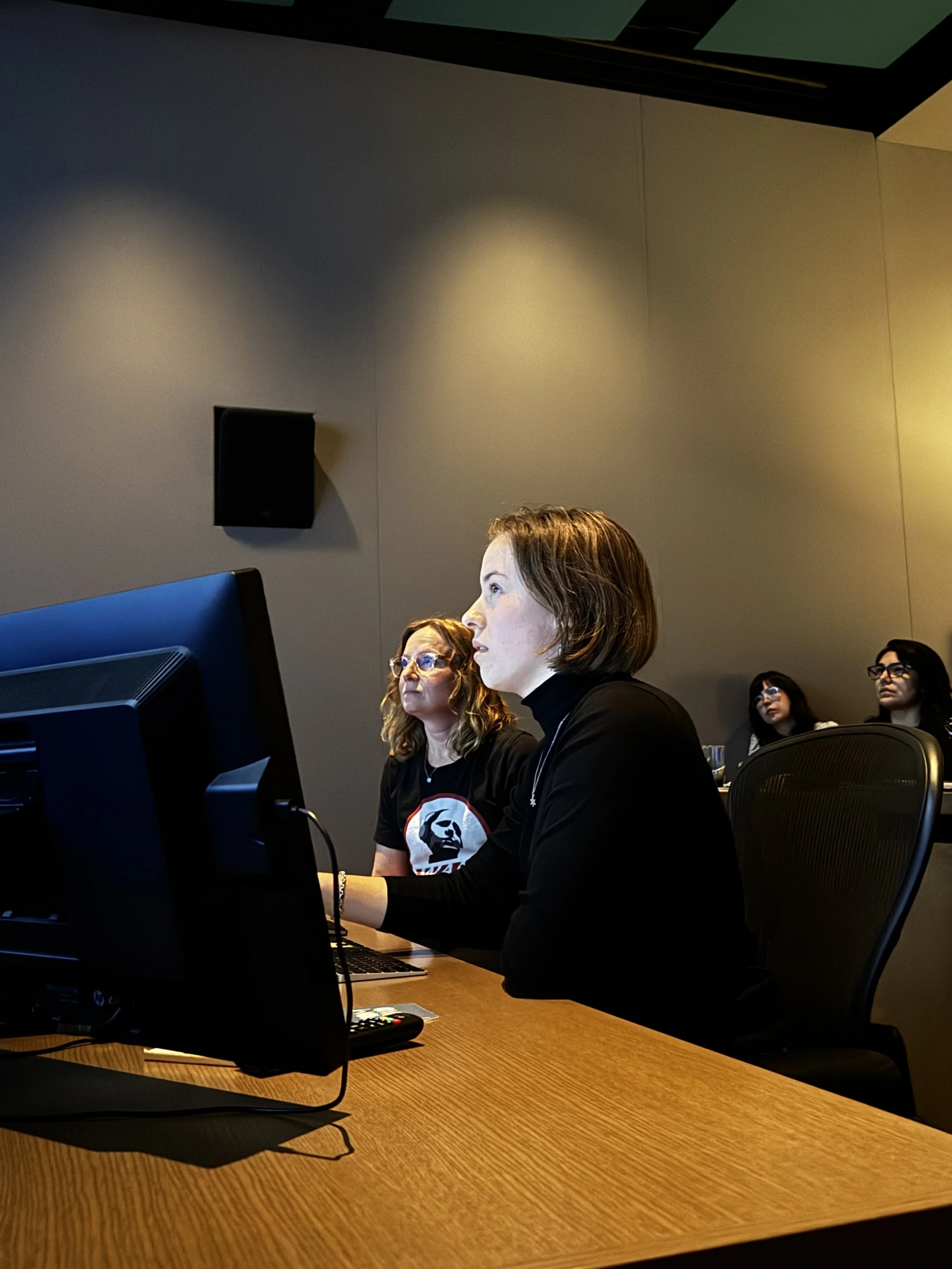
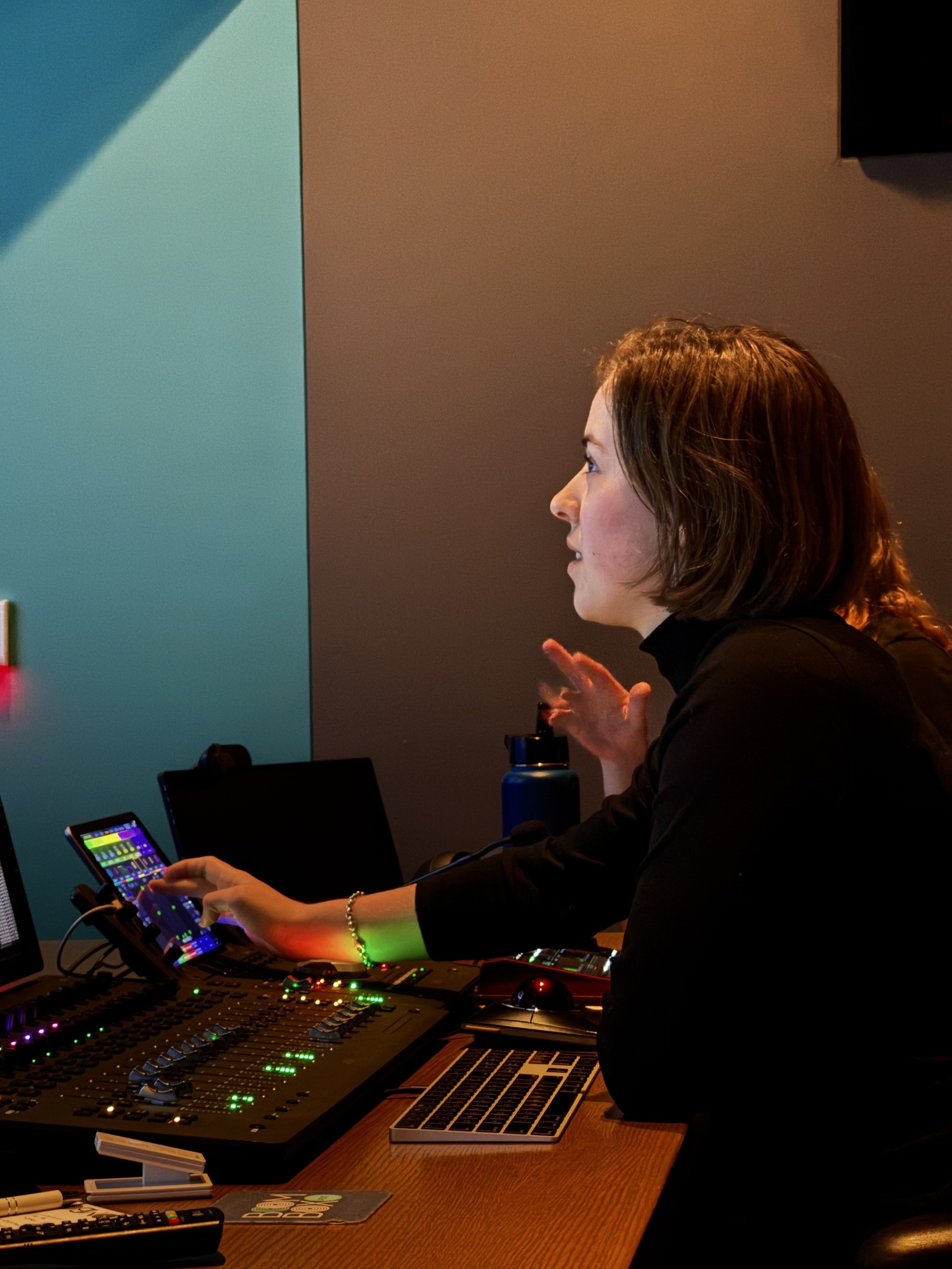
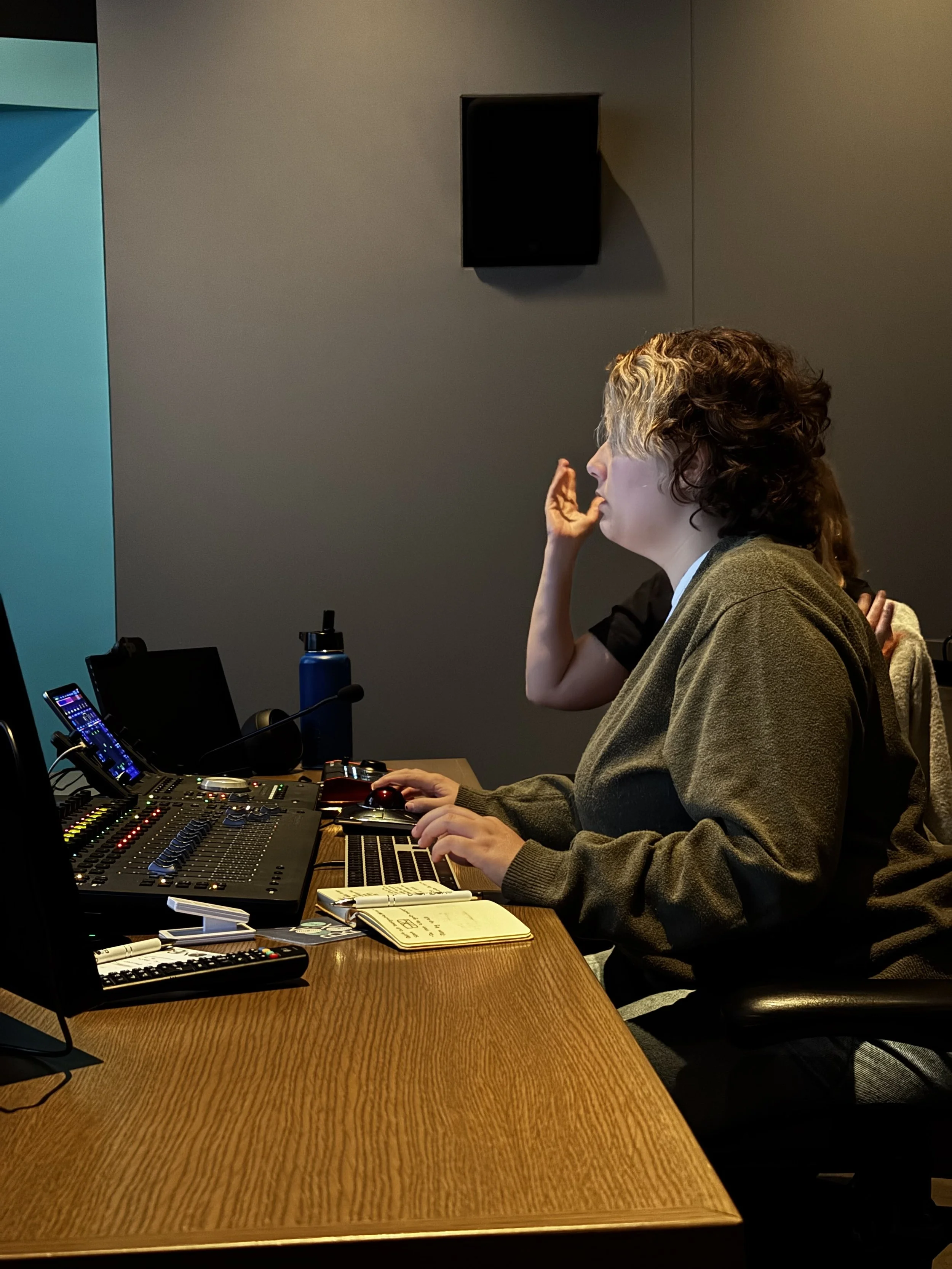
I started the workshop by explaining that the re-recording mix is a post-production sound process that combines the dialogue, music, Foley, and sound effects to tell a cohesive story. It happens in two phases:
The predub: prepping the mix prior to clients
The client mix: playing back a ready-to-air version of the mix, receiving client notes, and addressing them in real time.
Then, we moved on to my personal goals when mixing, which are both creative and technical:
Balance the dialogue, music, sound effects, and Foley
Ensure that the mix plays back within audio spec
Place the audio spatially with panning and reverb
Help the viewer focus on what is important in the story
Use the audio elements to add momentum to the story
Finally, I led the attendees through my personal predubbing process for a single-person mix. There are certainly many ways to tackle this task, but I like to add layers to my mix one by one in this order:
Dialogue
Backgrounds
Music
Foley
FX
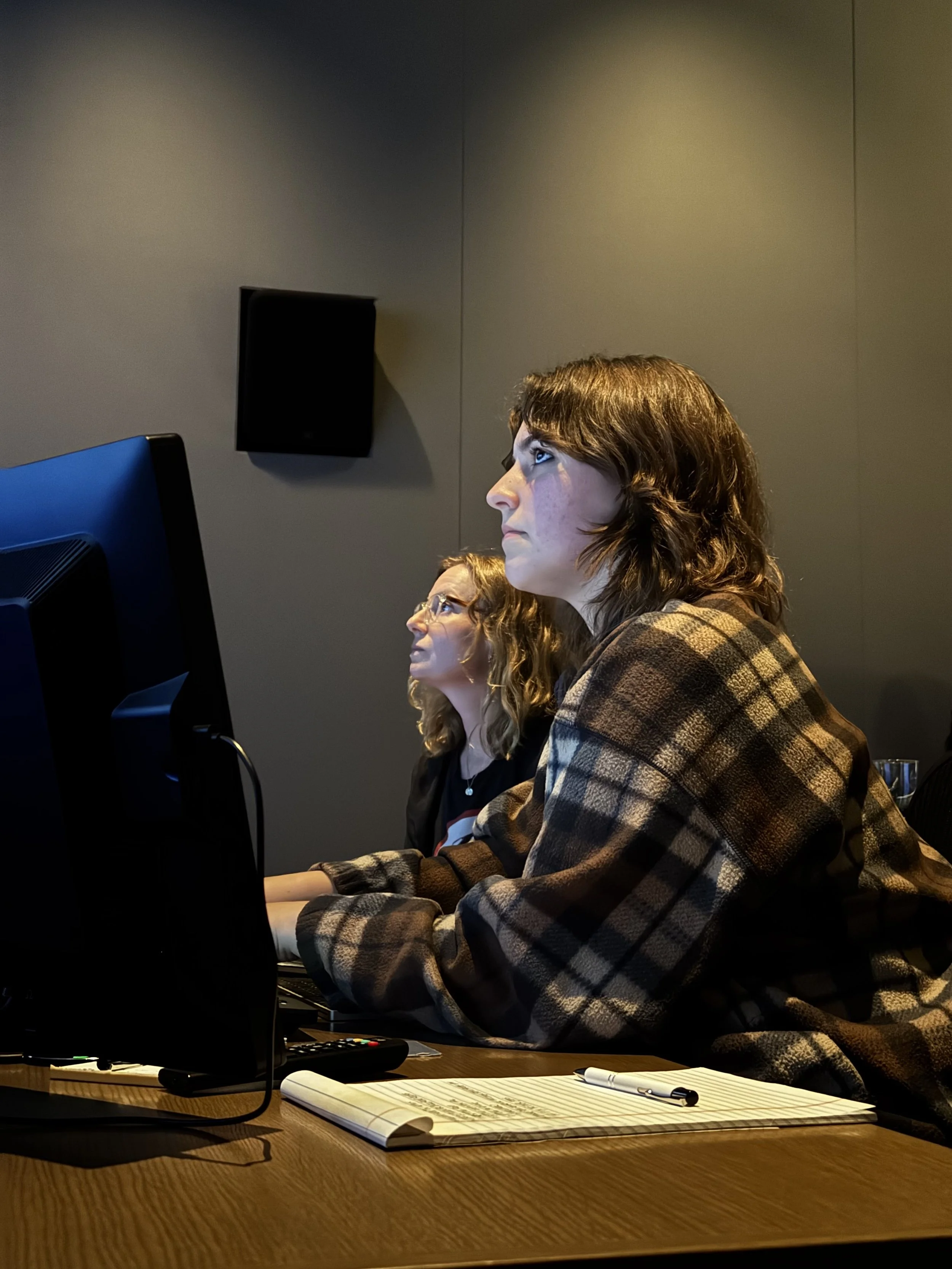
At this point in the workshop, we started the interactive portion. We discussed each new layer one by one, and I walked them through my specific mixing goals and any technical know-how necessary to meet them. Then, we opened a short project, and I invited a different participant up to take control of the console each time we were ready to mix in a new layer. All elements were mixed by participants rather than me.
Along the way, we covered volume, panning, EQ, reverb, noise removal, upmixing, futzing, and diegetic sound. At the end, we played back our mix and enjoyed how great it sounded.
Finally, I covered standard audio deliverables, and then took questions. Attendees had numerous questions about editorial organization, gear, creativity, job searches, and more.
This was a really fun and invigorating workshop, and several attendees mentioned how excited they were to get back to their rigs and employ the new skills they learned. We can’t wait to hear what they come up with!
Thank you again to Women’s Audio Mission for making space for audio education beyond the university setting. Training in real-world environments is invaluable, and we are so happy to be part of that.
If you liked these blog posts, check these out:
Music Mixing Basics for TV & Film: Songs
Music Mixing Basics for TV & Film: Diegetic Music
Music Mixing Basics for TV & Film: Score Mixing